We’ve all been there. You need a quick PDF scanner or a random file manager. You pop open the Google Play Store, grab the first decent looking app with a few good reviews, and get back to your day. It’s the official store. It’s supposed to be entirely safe. Right?
Wrong.
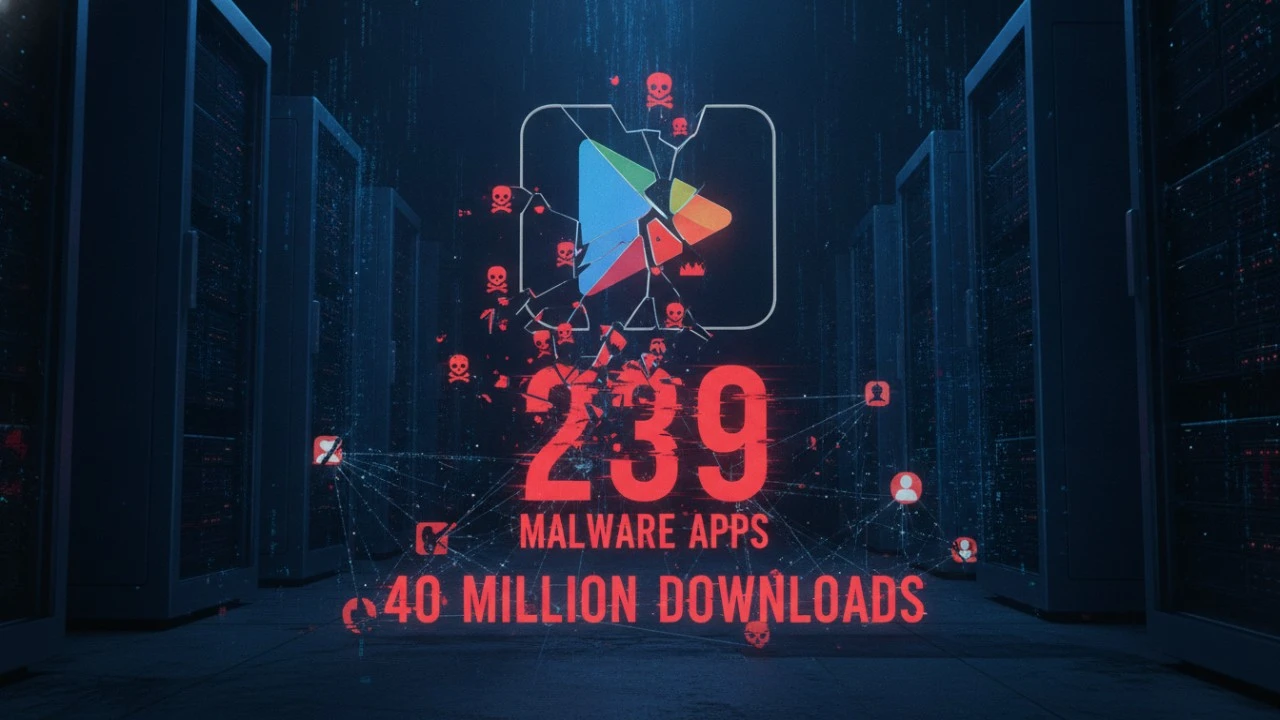
The reality check just dropped, and it’s a tough pill to swallow. A massive new report from Zscaler ThreatLabz just exposed that the Google Play Store recently hosted 239 completely malicious apps. And these weren’t some obscure, buried downloads. They racked up over 40 million installs before anyone hit the panic button.
WOLVES IN PRODUCTIVITY CLOTHING
Hackers aren’t stupid. They know exactly what you are looking for when you browse the app store. Most of these 239 infected apps were dressed up perfectly as harmless productivity tools. You know the type. Network scanners, fitness trackers, and system optimizers. You install them thinking you’re just getting a little more organized. Instead, you’re rolling out the red carpet for spyware, banking malware, and phishing trojans.
And here is the really terrifying part. Cybercriminals are completely changing their game plan. They don’t just want your credit card number anymore. They are going straight for your mobile payment systems and login credentials. They want direct access to your bank accounts, and these fake utility apps are exactly how they get their foot in the door. The jump in Android malware is actually staggering up 67% compared to last year.
THE INSANITY OF GOOGLE’S SIDELOADING WAR
Let’s talk about the giant, hypocritical elephant in the room.
For years, Google has been aggressively tightening its grip on the Android ecosystem. They love to warn us about the extreme dangers of “sideloading” apps from outside the official Play Store. They’ve even pushed rules that practically force developers into strict verification programs, effectively trying to kill off trusted third party marketplaces like F Droid. The entire excuse for this walled garden approach? User safety.
But how safe is that walled garden when Play Protect Google’s very own bouncer lets over two hundred malware apps waltz right through the front door?
Think about it. Play Protect often flags completely innocent open source apps downloaded directly from a developer’s website, but it somehow missed 239 actual threats until 40 million people had already handed over their data. It feels less like a genuine security measure and a whole lot more like a monopoly desperately trying to maintain absolute control over the market.
IT IS NOT JUST YOUR PHONE ANYMORE
The malware problem is spilling out of our pockets and into our living rooms. The report highlighted a nasty little bug called Android Void malware that infected over 1.5 million Android TV boxes. While heavy hits landed in places like Brazil and India, everyday users across the US, Canada, and Europe are still firmly in the crosshairs.
Then you have highly targeted attacks, like the Xnotice Remote Access Trojan, which specifically hunted down job seekers in the oil and gas industries. While classic Adware still makes up the bulk of the annoyance (a whopping 69% of the cases), the stakes are getting higher every single month.
HOW TO ACTUALLY PROTECT YOURSELF
Relying entirely on Google’s automated security checks clearly isn’t enough anymore. You have to play defense.
First, stop blindly trusting the “Tools” category. If you need a utility app, stick to established, well known developers. Open source alternatives are often your best bet because their code is entirely public and actively reviewed by the community. Look past the star rating. Actually read the written reviews, and pay close attention to what permissions the app is begging for. A basic calculator app does not need access to your contacts or your microphone.
The official app store badge is not a magic shield. Treat every download like a stranger asking for your house keys.